


The Environmental Benefits of Using Automatic High-Level Palletizers in Manufacturing
2024-09-29
The Environmental Benefits of Using Automatic High-Level Palletizers
Manufacturing industries are under increasing pressure to adopt sustainable practices. As we delve deeper into this pressing need, **automatic high-level palletizers** emerge as a beacon of hope. This article explores the multifaceted environmental benefits of these advanced machines, highlighting their role in promoting eco-friendly operations within the manufacturing sector.
Table of Contents
- Introduction to Automatic High-Level Palletizers
- Understanding Their Environmental Impact
- Energy Efficiency and Resource Conservation
- Waste Reduction and Material Optimization
- Enhancing Workplace Safety and Sustainability
- Improving Productivity with Eco-friendly Practices
- Reducing Carbon Footprint Through Automation
- Future Trends in Palletizing Technology
- Conclusion
- Frequently Asked Questions
Introduction to Automatic High-Level Palletizers
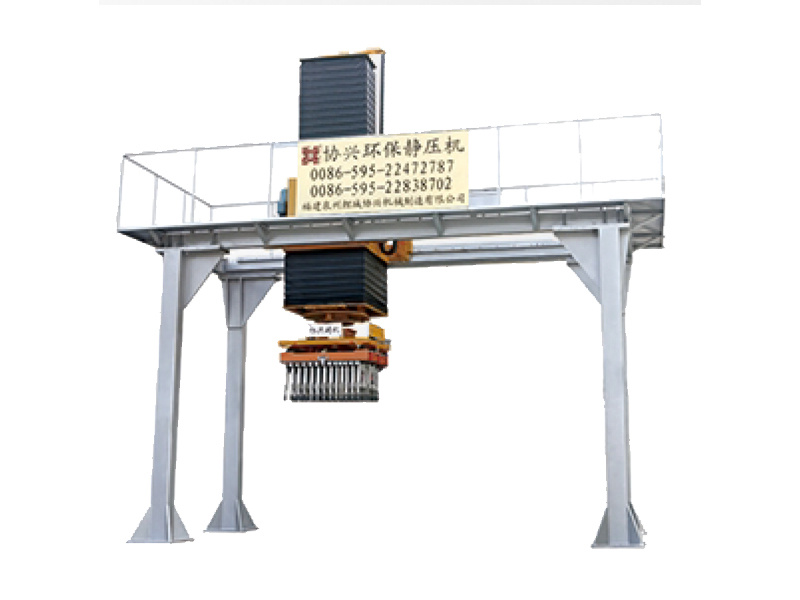
In the manufacturing and construction machinery sectors, **high-level palletizers** play a crucial role in automating the process of stacking products onto pallets. They offer a streamlined approach to packaging and distribution, enabling manufacturers to optimize their operations. This article will discuss how these systems contribute positively to the environment, promoting sustainable practices across various industries.
Understanding Their Environmental Impact
The environmental impact of manufacturing processes has become a focal point for companies aiming to enhance sustainability. Automatic high-level palletizers contribute significantly by minimizing waste and resource consumption. Their ability to handle various products ensures efficient use of materials, reducing excess packaging and minimizing the carbon footprint associated with manufacturing.
Reduction of Energy Consumption
One of the primary environmental benefits is the reduction in energy consumption. Unlike manual palletizing, which relies on labor-intensive processes, automatic palletizers utilize advanced technology that optimizes energy use. They are designed to operate with high efficiency, reducing the overall energy required for packaging operations.
Minimizing Carbon Emissions
By automating palletizing tasks, manufacturers can decrease their reliance on human labor, which often involves transportation and additional machinery. This shift not only streamlines operations but also minimizes carbon emissions associated with the entire process.
Energy Efficiency and Resource Conservation
Energy efficiency is a critical component of sustainable manufacturing. Automatic high-level palletizers are engineered to optimize various aspects of the production line.
Advanced Technology for Better Performance
Modern palletizers utilize cutting-edge technology such as **AI and machine learning** to enhance their performance. These innovations lead to reduced energy waste and improved operational efficiency, ensuring that every aspect of the palletizing process is optimized for sustainability.
Resource Conservation through Automation
The automation of palletizing leads to better resource management. By accurately stacking products, these machines reduce the chance of damage and waste. This not only conserves resources but also translates to cost savings for manufacturers, further incentivizing eco-friendly practices.
Waste Reduction and Material Optimization
Another significant benefit of automatic high-level palletizers is their ability to minimize waste.
Efficiency in Material Usage
These machines are designed to handle various products with precision, allowing for optimal use of packaging materials. They can adjust to different sizes and weights, reducing the need for excessive packaging and thereby minimizing landfill contributions.
Recycling and Reusing Materials
Automatic palletizers can easily accommodate recyclable materials, ensuring that more products are packed in eco-friendly packaging. This focus on recycling helps companies align with broader environmental goals and practices.
Enhancing Workplace Safety and Sustainability
Safety is paramount in manufacturing, and automatic high-level palletizers contribute to a safer work environment.
Reducing Workplace Injuries
By automating the stacking process, these machines significantly reduce the risk of workplace injuries associated with manual handling of heavy products. This not only creates a safer workplace but also fosters a culture of sustainability, as companies prioritize the well-being of their employees.
Creating a Sustainable Work Environment
Automatic palletizers contribute to sustainability by promoting a greener workplace. Their efficiency reduces the need for excess resources and energy, leading to a more environmentally conscious operation. This focus on sustainability can improve employee morale and attract environmentally-aware customers.
Improving Productivity with Eco-friendly Practices
Productivity and sustainability are not mutually exclusive; in fact, they often go hand in hand.
Streamlined Operations
Automatic high-level palletizers significantly streamline operations. By automating the palletizing process, manufacturers can improve throughput and reduce downtime. This enhanced productivity not only meets the demands of the market but does so in a sustainable manner.
Scalability and Flexibility
These machines offer scalability and flexibility, allowing manufacturers to adapt to changing demands without sacrificing efficiency. As production needs evolve, automatic palletizers can adjust quickly, ensuring that operations remain effective and environmentally friendly.
Reducing Carbon Footprint Through Automation
The overall carbon footprint of a manufacturing operation is directly influenced by its processes. Automatic high-level palletizers play a crucial role in minimizing this footprint.
Optimized Logistics and Transportation
By enhancing the efficiency of the palletizing process, these systems also improve logistics operations. Efficient pallet stacking means that more products can be transported in a single load, reducing the number of trips required and, consequently, lowering transport-related emissions.
Long-term Sustainable Practices
Adopting automatic high-level palletizers is a long-term commitment to sustainable manufacturing. Their ability to integrate with other eco-friendly technologies creates a comprehensive approach to reducing the environmental impact of production processes.
Future Trends in Palletizing Technology
The future of palletizing technology looks promising, with innovations continually emerging to enhance sustainability.
Integration with IoT and Industry 4.0
The integration of **Internet of Things (IoT)** technology will revolutionize palletizing processes. By connecting machines and systems, manufacturers can gather data and optimize operations in real-time, further reducing waste and energy consumption.
Emphasis on Sustainable Materials
As the industry shifts towards sustainability, the use of eco-friendly materials in palletizing will become more prevalent. Automatic high-level palletizers can easily adapt to these changes, ensuring compatibility with sustainable practices.
Conclusion
The environmental benefits of using automatic high-level palletizers are undeniable. Through energy efficiency, waste reduction, enhanced safety, and a lower carbon footprint, these machines represent a significant advancement in sustainable manufacturing practices. As industries continue to evolve towards greener operations, the adoption of automatic palletizers will play a vital role in shaping a more sustainable future.
Frequently Asked Questions
1. What are automatic high-level palletizers?
Automatic high-level palletizers are machines used in manufacturing to automate the process of stacking products onto pallets, enhancing efficiency and reducing labor costs.
2. How do automatic palletizers contribute to sustainability?
They minimize waste, reduce energy consumption, and lower carbon emissions, promoting eco-friendly practices in manufacturing processes.
3. Can automatic palletizers handle different product sizes?
Yes, modern automatic palletizers are designed to accommodate various product sizes and weights, enabling optimal material usage.
4. What safety benefits do automatic high-level palletizers offer?
They reduce the risk of workplace injuries associated with manual handling, creating a safer work environment.
5. How do these machines improve productivity?
Automatic high-level palletizers streamline operations, enhance throughput, and enable scalability, leading to improved productivity without compromising sustainability.
By understanding and implementing the advantages of automatic high-level palletizers, manufacturers can significantly contribute to a more sustainable future while optimizing their production processes.
Relevant Information
Why Every Builder Needs a Concrete Brick Making Machine in Their Toolkit
Why Every Builder Needs a Concrete Brick Making Machine in Their Toolkit
In the fast-paced world of construction, efficiency and innovation are key to staying ahead. One of the most valuable tools that builders can incorporate into their toolkit is the **concrete brick making machine**. This powerful equipment not only streamlines the production of bricks but also significantly impacts the overall
2025-12-26
Unlocking the Potential of Concrete Brick Making Machines
Concrete brick making machines are pivotal in the construction and building industry, facilitating the mass production of durable and sustainable building materials. These machines utilize a blend of raw materials, primarily cement, aggregates, and water, to create concrete bricks of various sizes and shapes. When considering the implementation of a concrete brick making machine in your production
2025-12-19

From Idea to Reality: The Comprehensive Guide to Using a Concrete Brick Making Machine
From Idea to Reality: The Comprehensive Guide to Using a Concrete Brick Making Machine
Table of Contents
1. Introduction to Concrete Brick Making
2. Importance of Concrete Brick Making Machines in Construction
3. Choosing the Right Concrete Brick Making Machine
3.1 Types of Concrete Brick Making Machines
3.2 Key Features to Consider
4. The
2025-12-12
Messages
Please make sure to leave your correct contact information so that we can contact you easily!


About Us
Contact Us
Address:
No.6 Yangguang Road, Photovoltaic Base, Xiamei, Quanzhou City, Fujian Province,China.