


Revolutionizing Construction: The Future of Brick Stacking Robots
2024-10-03
Revolutionizing Construction: The Future of Brick Stacking Robots
Table of Contents
1. Introduction to Brick Stacking Robots
2. The Evolution of Construction Technology
3. How Brick Stacking Robots Work
3.1 Key Components of Brick Stacking Robots
3.2 The Role of Artificial Intelligence in Automation
4. Advantages of Using Brick Stacking Robots
4.1 Increased Efficiency and Productivity
4.2 Enhanced Precision and Quality
5. Challenges Facing Brick Stacking Robots
5.1 Initial Costs and Investment
5.2 Integration with Existing Systems
6. The Future of Brick Stacking Robots in Construction
6.1 Trends and Innovations to Watch
6.2 Potential Impact on Employment in the Construction Sector
7. Real-World Applications of Brick Stacking Robots
8. FAQs about Brick Stacking Robots
9. Conclusion
1. Introduction to Brick Stacking Robots
In an era where technology continues to redefine industries, the construction sector is no exception. Brick stacking robots, a remarkable innovation in construction technology, are transforming how buildings are erected. These robotic systems are designed to automate the bricklaying process, which has traditionally been labor-intensive and time-consuming. By integrating advanced robotics and artificial intelligence, these machines promise to enhance productivity, improve safety, and ensure consistency in construction quality.
2. The Evolution of Construction Technology
The journey of construction technology has been marked by significant milestones—from the use of basic hand tools to the introduction of heavy machinery. The late 20th and early 21st centuries witnessed the emergence of digital tools, such as Building Information Modeling (BIM) and automated machinery. The introduction of robotic systems, particularly brick stacking robots, represents the next leap forward in this evolution, offering new solutions to age-old construction challenges.
3. How Brick Stacking Robots Work
Understanding the functionality of brick stacking robots underscores their impact on construction. These machines consist of several key components that work together to automate the bricklaying process.
3.1 Key Components of Brick Stacking Robots
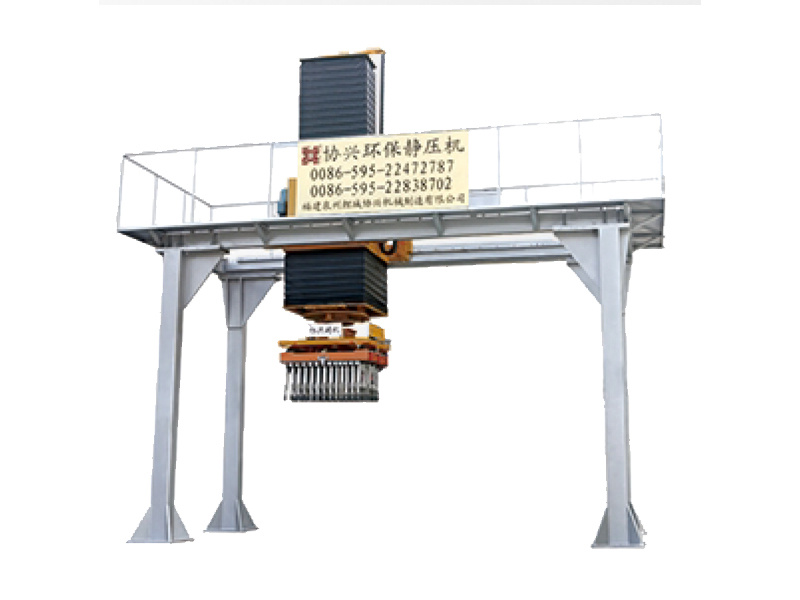
Brick stacking robots typically feature robotic arms equipped with specialized grippers that can pick, place, and stack bricks with remarkable precision. Advanced sensors and cameras help these robots assess their environment, enabling them to navigate complex construction sites. Additionally, software systems control the robots' movements, ensuring they execute tasks efficiently and accurately.
3.2 The Role of Artificial Intelligence in Automation
Artificial intelligence (AI) enhances the capabilities of brick stacking robots by enabling them to learn from their surroundings. AI algorithms can analyze data from various sensors, allowing robots to optimize their performance and adapt to changes in their environment. This intelligence not only improves efficiency but also reduces the likelihood of errors, leading to higher-quality construction.
4. Advantages of Using Brick Stacking Robots
The adoption of brick stacking robots offers numerous advantages that can significantly impact the construction industry.
4.1 Increased Efficiency and Productivity
One of the primary benefits of brick stacking robots is their ability to work continuously without fatigue. These machines can operate around the clock, which dramatically increases the speed of construction projects. As a result, contractors can complete projects faster, reducing timelines and associated costs.
4.2 Enhanced Precision and Quality
Robotic systems excel in precision, consistently placing bricks with minimal deviation. This level of accuracy reduces the likelihood of structural issues, ensuring that buildings meet safety and quality standards. The consistent quality of work performed by robots can significantly enhance the overall reputation of construction firms.
5. Challenges Facing Brick Stacking Robots
Despite the numerous benefits, the implementation of brick stacking robots is not without challenges.
5.1 Initial Costs and Investment
The initial investment in robotic technology can be substantial. Construction companies must weigh the costs of purchasing and integrating these systems against the potential long-term savings. While the efficiency gained can offset these costs over time, the upfront financial commitment can be daunting for some firms.
5.2 Integration with Existing Systems
Integrating brick stacking robots into existing construction workflows requires careful planning. Construction sites often involve multiple processes occurring simultaneously, and ensuring that robotic systems work harmoniously with manual labor and other machinery can be complex. Successful integration is vital for maximizing the benefits of automation.
6. The Future of Brick Stacking Robots in Construction
As technology continues to advance, brick stacking robots are poised to play an even more prominent role in the future of construction.
6.1 Trends and Innovations to Watch
Upcoming trends in construction technology suggest further improvements in robotics, including enhanced AI capabilities, increased collaboration between robots and humans, and advancements in mobility that allow robots to navigate more complex sites. These innovations will likely lead to even greater efficiency and safety in construction.
6.2 Potential Impact on Employment in the Construction Sector
While the automation of bricklaying may raise concerns about job displacement, it is crucial to consider the potential for new job creation. As robots take on more repetitive tasks, skilled labor may shift toward roles that require oversight, maintenance of robotic systems, and specialized construction skills. The industry will need to adapt workforce training to prepare for this transition.
7. Real-World Applications of Brick Stacking Robots
Various construction companies worldwide are already harnessing the power of brick stacking robots. These machines are employed in residential, commercial, and industrial projects, demonstrating their versatility and effectiveness. Case studies highlight successful implementations where companies have achieved significant time and cost savings.
8. FAQs about Brick Stacking Robots
**Q1: What types of projects can utilize brick stacking robots?**
A: Brick stacking robots are suitable for a variety of projects, including residential buildings, commercial structures, and large industrial facilities.
**Q2: Are brick stacking robots safe to operate on construction sites?**
A: Yes, when properly integrated and maintained, brick stacking robots enhance safety by reducing the need for manual labor in potentially hazardous environments.
**Q3: How much do brick stacking robots cost?**
A: The cost of brick stacking robots varies widely depending on the manufacturer, features, and capabilities, but they typically range from tens of thousands to several hundred thousand dollars.
**Q4: Can brick stacking robots work alongside human labor?**
A: Absolutely! Brick stacking robots can complement human labor, taking on repetitive tasks while skilled workers focus on more complex aspects of construction.
**Q5: What is the lifespan of a brick stacking robot?**
A: The lifespan of a brick stacking robot depends on various factors, including usage, maintenance, and technological advancements, but many can last several years with proper care.
9. Conclusion
The advent of brick stacking robots marks a significant turning point in the construction industry. These innovative machines are set to revolutionize how buildings are constructed, offering unprecedented efficiency, precision, and safety. As technology continues to evolve, we can expect even greater advancements that will further enhance the capabilities of brick stacking robots. Embracing this change will not only streamline construction processes but also pave the way for a more skilled and adaptive workforce in the industry. The future of construction is here, and it is powered by robotics.
Relevant Information
Why Every Builder Needs a Concrete Brick Making Machine in Their Toolkit
Why Every Builder Needs a Concrete Brick Making Machine in Their Toolkit
In the fast-paced world of construction, efficiency and innovation are key to staying ahead. One of the most valuable tools that builders can incorporate into their toolkit is the **concrete brick making machine**. This powerful equipment not only streamlines the production of bricks but also significantly impacts the overall
2025-12-26
Unlocking the Potential of Concrete Brick Making Machines
Concrete brick making machines are pivotal in the construction and building industry, facilitating the mass production of durable and sustainable building materials. These machines utilize a blend of raw materials, primarily cement, aggregates, and water, to create concrete bricks of various sizes and shapes. When considering the implementation of a concrete brick making machine in your production
2025-12-19

From Idea to Reality: The Comprehensive Guide to Using a Concrete Brick Making Machine
From Idea to Reality: The Comprehensive Guide to Using a Concrete Brick Making Machine
Table of Contents
1. Introduction to Concrete Brick Making
2. Importance of Concrete Brick Making Machines in Construction
3. Choosing the Right Concrete Brick Making Machine
3.1 Types of Concrete Brick Making Machines
3.2 Key Features to Consider
4. The
2025-12-12
Messages
Please make sure to leave your correct contact information so that we can contact you easily!


About Us
Contact Us
Address:
No.6 Yangguang Road, Photovoltaic Base, Xiamei, Quanzhou City, Fujian Province,China.