


How to Maintain Your Automatic High-Level Palletizer for Longevity: Essential Tips and Best Practices
2024-10-01
How to Maintain Your Automatic High-Level Palletizer for Longevity
Table of Contents
- Introduction to Automatic High-Level Palletizers
- The Importance of Regular Maintenance for Longevity
- Daily Maintenance Tips for Optimal Performance
- Weekly and Monthly Maintenance Checks
- Common Issues and Solutions for High-Level Palletizers
- Advanced Maintenance Strategies for Skilled Technicians
- Training and Education for Operators
- Conclusion
- Frequently Asked Questions
Introduction to Automatic High-Level Palletizers
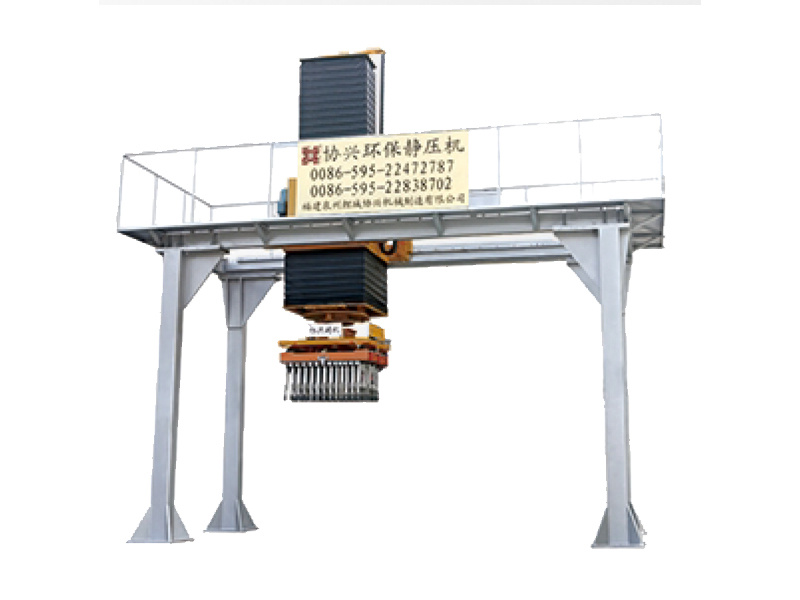
Automatic high-level palletizers are vital machines in the manufacturing and construction industries, specifically for handling concrete machinery and other heavy materials. These systems streamline the process of palletizing products, enhancing efficiency and safety in operations. However, like all machinery, they require regular maintenance to operate effectively over time.
The Importance of Regular Maintenance for Longevity
Understanding the significance of routine maintenance cannot be overstated. Regular maintenance can prevent unexpected breakdowns, enhance operational efficiency, and prolong the lifespan of your machinery. An automatic palletizer that is well-maintained will not only perform better but also reduce the total cost of ownership by minimizing repair costs and downtime.
Benefits of Regular Maintenance
1. **Increased Efficiency**: Well-maintained machines operate more efficiently, resulting in higher productivity levels.
2. **Cost Savings**: Regular maintenance will help you avoid costly repairs and replacements.
3. **Safety Assurance**: Proper maintenance ensures that safety features are functional, protecting your workers and your investment.
4. **Extended Equipment Lifespan**: A consistent maintenance routine leads to a longer life for your palletizer, maximizing your return on investment.
Daily Maintenance Tips for Optimal Performance
Establishing a daily maintenance routine is crucial for the effective functioning of your high-level palletizer. Here are essential checks to perform each day:
Visual Inspection
Conduct a thorough visual inspection of the machine. Look for any signs of wear and tear, loose parts, or misalignments that could affect performance.
Lubrication
Ensure that all moving parts are adequately lubricated. Check the lubrication levels and apply grease or oil where necessary, following the manufacturer's guidelines.
Cleanliness
Maintain cleanliness around the palletizer. Remove any debris, dust, or spilled materials that may hinder operation or create safety hazards.
Electrical Checks
Inspect electrical connections and wiring for any signs of damage. Ensure that all control panels are functioning properly.
Safety Feature Checks
Test all safety features, including emergency stops and safety gates, to ensure they are operational.
Weekly and Monthly Maintenance Checks
In addition to daily maintenance, weekly and monthly checks are crucial for preventing larger issues.
Weekly Maintenance Tasks
1. **Tension and Alignment**: Check the tension and alignment of conveyor belts and chains. Misalignment can lead to increased wear and tear.
2. **Fluid Levels**: Inspect hydraulic and lubrication fluid levels and top up as necessary.
3. **Fasteners**: Ensure that all fasteners are tight and secure. Loose bolts can lead to mechanical failures.
Monthly Maintenance Tasks
1. **Comprehensive Inspection**: Conduct a more in-depth inspection of all mechanical and electrical systems.
2. **Software Updates**: If applicable, check for any available software updates and install them to enhance performance and security.
3. **Calibration**: Calibrate sensors and other measuring devices to ensure accurate operation.
Common Issues and Solutions for High-Level Palletizers
Even with regular maintenance, issues can arise. Here are some common problems and solutions:
1. Machine Jamming
**Issue**: Frequent machine jams can occur due to misalignment or foreign objects in the system.
**Solution**: Regularly inspect and clean the machine, ensuring that all components are aligned properly.
2. Inconsistent Palletizing
**Issue**: Inconsistent palletizing can lead to operational inefficiencies.
**Solution**: Check the configuration settings and calibrate the machine to ensure correct operation.
3. Excessive Wear on Components
**Issue**: Some components may wear out faster than expected.
**Solution**: Assess lubrication schedules and inspect parts regularly for signs of wear, replacing them as needed.
4. Electrical Failures
**Issue**: Electrical issues can halt machine operation.
**Solution**: Regularly inspect wiring and connections, and replace any damaged components promptly.
Advanced Maintenance Strategies for Skilled Technicians
For those with technical expertise, implementing advanced strategies can further enhance performance and longevity.
Predictive Maintenance
Utilize predictive maintenance techniques, such as vibration analysis or thermal imaging, to assess the health of critical components. This proactive approach can identify potential failures before they occur.
Documentation and Reporting
Keep detailed records of all maintenance activities, issues encountered, and repairs performed. This documentation can aid in identifying patterns and optimizing future maintenance schedules.
Utilizing Technology
Leverage technology, such as IoT devices, to monitor machine performance in real-time. This data can provide insights into operational efficiency and help schedule maintenance activities when needed.
Training and Education for Operators
Well-trained operators are essential for maintaining your automatic high-level palletizer. Investing in training programs will ensure that operators understand the importance of maintenance and can identify potential issues early.
Regular Training Sessions
Conduct regular training sessions that cover operational procedures, maintenance tasks, and troubleshooting techniques.
Certification Programs
Encourage operators to pursue certification programs related to machinery maintenance and operations to enhance their skills and knowledge.
Mentorship Opportunities
Establish mentorship programs where experienced technicians can guide new operators, sharing best practices and maintenance insights.
Conclusion
Maintaining your automatic high-level palletizer is not just an option; it's a necessity for ensuring longevity, efficiency, and safety in your operations. By implementing a structured maintenance routine that includes daily checks, weekly and monthly inspections, and advanced strategies, you can significantly extend the lifespan of your equipment. Furthermore, investing in operator training will enhance your team’s ability to identify and address issues proactively. With the right practices in place, your palletizer can continue to provide reliable service for years to come.
Frequently Asked Questions
1. How often should I perform maintenance on my palletizer?
It is recommended to perform daily, weekly, and monthly maintenance checks to ensure optimal performance.
2. What are the signs that my palletizer needs maintenance?
Common signs include unusual noises, frequent jams, inconsistent palletizing, and visible wear on components.
3. Can I perform maintenance on my own, or should I hire a professional?
Basic maintenance tasks can often be performed by trained operators, but complex issues should be addressed by qualified technicians.
4. What tools do I need for routine maintenance?
Essential tools include lubrication equipment, wrenches, screwdrivers, and diagnostic tools for electrical inspections.
5. How can I improve the efficiency of my palletizer?
Regular maintenance, proper training, and utilizing advanced monitoring technology can significantly improve efficiency.
Relevant Information
Why Every Builder Needs a Concrete Brick Making Machine in Their Toolkit
Why Every Builder Needs a Concrete Brick Making Machine in Their Toolkit
In the fast-paced world of construction, efficiency and innovation are key to staying ahead. One of the most valuable tools that builders can incorporate into their toolkit is the **concrete brick making machine**. This powerful equipment not only streamlines the production of bricks but also significantly impacts the overall
2025-12-26
Unlocking the Potential of Concrete Brick Making Machines
Concrete brick making machines are pivotal in the construction and building industry, facilitating the mass production of durable and sustainable building materials. These machines utilize a blend of raw materials, primarily cement, aggregates, and water, to create concrete bricks of various sizes and shapes. When considering the implementation of a concrete brick making machine in your production
2025-12-19

From Idea to Reality: The Comprehensive Guide to Using a Concrete Brick Making Machine
From Idea to Reality: The Comprehensive Guide to Using a Concrete Brick Making Machine
Table of Contents
1. Introduction to Concrete Brick Making
2. Importance of Concrete Brick Making Machines in Construction
3. Choosing the Right Concrete Brick Making Machine
3.1 Types of Concrete Brick Making Machines
3.2 Key Features to Consider
4. The
2025-12-12
Messages
Please make sure to leave your correct contact information so that we can contact you easily!


About Us
Contact Us
Address:
No.6 Yangguang Road, Photovoltaic Base, Xiamei, Quanzhou City, Fujian Province,China.