


Revolutionizing Manufacturing: The Role of Automatic High-Level Palletizers in Concrete Machinery
2024-10-02
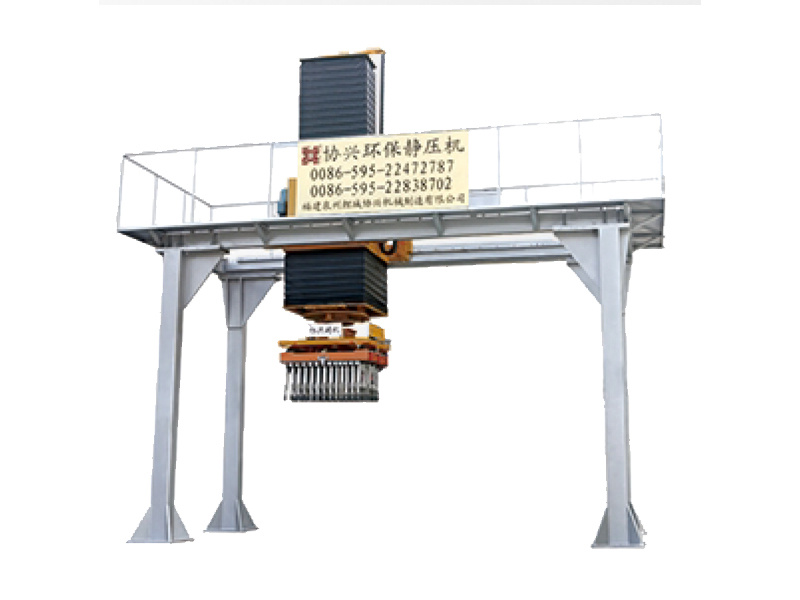
Automatic high-level palletizers are advanced machines designed to automate the process of stacking products onto pallets. In the manufacturing and construction industry, particularly for concrete machinery, these systems offer significant benefits in terms of efficiency, accuracy, and labor savings. They are capable of handling various product types, including bags of cement, blocks, and other heavy materials that are common in concrete production.
One of the primary advantages of using an automatic high-level palletizer is its ability to streamline the production line. By automating the palletizing process, companies can significantly reduce the time and labor required for manual stacking. This not only leads to faster production rates but also minimizes the risk of workplace injuries related to heavy lifting and repetitive motions.
Furthermore, automatic high-level palletizers are engineered for precision. They utilize advanced robotics and vision systems to ensure that products are accurately placed on pallets without damage. This level of precision is crucial in maintaining product quality and consistency, which is especially important in the concrete industry where the integrity of materials can affect overall project outcomes.
Another noteworthy aspect of automatic high-level palletizers is their adaptability. These machines can be programmed to handle a variety of products and stacking patterns, making them suitable for different production needs. In a dynamic industry like concrete processing, where product specifications may frequently change, this flexibility can significantly enhance operational efficiency.
Moreover, integrating automatic high-level palletizers into existing production systems can lead to a reduction in operational costs over time. Although there may be an initial investment in automation technology, the long-term savings achieved through decreased labor costs, reduced product waste, and increased throughput can justify the expenditure.
As the manufacturing sector continues to embrace Industry 4.0 principles, the role of automatic high-level palletizers is becoming more prominent. These machines can be integrated with other automated systems, such as conveyor belts and inventory management software, creating a cohesive production environment that enhances overall efficiency.
In conclusion, the adoption of automatic high-level palletizers in the concrete machinery sector represents a significant advancement in manufacturing processes. By improving productivity, ensuring product quality, and offering adaptability, these systems are essential for companies looking to remain competitive in a rapidly changing market. Investing in automatic high-level palletizers not only enhances operational capabilities but also positions businesses for future growth and innovation in the manufacturing landscape.
Relevant Information
Why Every Builder Needs a Concrete Brick Making Machine in Their Toolkit
Why Every Builder Needs a Concrete Brick Making Machine in Their Toolkit
In the fast-paced world of construction, efficiency and innovation are key to staying ahead. One of the most valuable tools that builders can incorporate into their toolkit is the **concrete brick making machine**. This powerful equipment not only streamlines the production of bricks but also significantly impacts the overall
2025-12-26
Unlocking the Potential of Concrete Brick Making Machines
Concrete brick making machines are pivotal in the construction and building industry, facilitating the mass production of durable and sustainable building materials. These machines utilize a blend of raw materials, primarily cement, aggregates, and water, to create concrete bricks of various sizes and shapes. When considering the implementation of a concrete brick making machine in your production
2025-12-19

From Idea to Reality: The Comprehensive Guide to Using a Concrete Brick Making Machine
From Idea to Reality: The Comprehensive Guide to Using a Concrete Brick Making Machine
Table of Contents
1. Introduction to Concrete Brick Making
2. Importance of Concrete Brick Making Machines in Construction
3. Choosing the Right Concrete Brick Making Machine
3.1 Types of Concrete Brick Making Machines
3.2 Key Features to Consider
4. The
2025-12-12
Messages
Please make sure to leave your correct contact information so that we can contact you easily!


About Us
Contact Us
Address:
No.6 Yangguang Road, Photovoltaic Base, Xiamei, Quanzhou City, Fujian Province,China.